
Posted At: Nov 12, 2026 - 22 Views

The smart glasses market has experienced remarkable growth on Amazon, with Best Seller Rank (BSR) serving as a critical indicator of product performance and consumer demand. For B2B buyers, distributors, and brands seeking smart glasses with Bluetooth call functionality, understanding BSR dynamics offers valuable intelligence for making informed sourcing decisions. This analysis breaks down the key factors driving smart glasses sales rankings and what they mean for your manufacturing partnerships.
What Amazon's Best Seller Rank Actually Measures
BSR is a numerical ranking that indicates how a specific product performs compared to other items in its category. Amazon calculates this rank hourly based on recent sales velocity, meaning products with consistent purchase activity climb higher in the rankings. For smart glasses specifically, the BSR reflects real-time market demand across multiple subcategories including audio sunglasses, AR-enabled eyewear, and hands-free communication devices.
Understanding BSR requires recognizing its context-dependent nature. A BSR of 500 in the competitive Electronics category means something entirely different than the same ranking in a niche subcategory like Polarized Fishing Sunglasses. Industry analysts track these rankings to identify emerging trends, seasonal patterns, and shifting consumer preferences before they appear in traditional market research reports.
Current Landscape: Smart Glasses Performance on Amazon
The smart glasses category has demonstrated strong momentum throughout recent quarters, with top-performing products achieving BSR positions within the top 1,000 across Electronics. This indicates robust consumer appetite for wearable technology that combines functionality with everyday practicality. Products integrating audio capabilities, phone connectivity, and UV protection consistently outperform purely aesthetic offerings.
Market data reveals several patterns among high-ranking smart glasses. First, Bluetooth-enabled polarizing driving mirrors command significant market share, particularly among commuters and outdoor enthusiasts. Second, audio-integrated sunglasses have captured substantial attention from fitness consumers who seek hands-free music experiences during workouts. Third, products offering multi-functionality—combining UV protection, audio playback, and phone integration—dominate the upper BSR tiers.
Features Driving Top BSR Performance
Analysis of Amazon's top-ranking smart glasses reveals distinct feature patterns that B2B buyers should consider when evaluating manufacturing partners. Understanding these elements helps buyers identify which suppliers can deliver products meeting current market expectations.
Audio Integration Quality: Products ranking highest incorporate premium bone-conduction or open-ear audio systems. Buyers seeking manufacturing partnerships should prioritize suppliers with demonstrated expertise in open music hands-free call smart glasses technology, as these products consistently appear in top-selling positions.
Polarization and UV Protection: Smart sunglasses with proper optical coatings and UV400 protection ratings outperform basic models. This convergence of eye protection technology with smart features represents a significant market segment that continues expanding.
Connectivity and Battery Performance: Seamless Bluetooth pairing across devices and extended battery life correlate strongly with higher rankings. Products offering 6+ hours of continuous use and quick charging capabilities receive more positive reviews, which subsequently improves their sales velocity.
Price Point Analysis and Market Positioning
The sweet spot for smart glasses pricing appears between $40 and $120, where products achieve the highest sales velocity. Items priced below this range often suffer from perceived quality concerns, while premium positioning above $120 limits addressable market size. Understanding this pricing dynamic helps B2B buyers evaluate manufacturer capabilities and cost structures.
Manufacturers targeting the optimal price-performance ratio should focus on delivering essential smart features without excessive premium components that drive costs beyond consumer expectations. This balancing act requires sophisticated supply chain management and component sourcing expertise—areas where experienced Chinese manufacturers excel.
Seasonal Trends and Sales Patterns
Smart glasses BSR data reveals predictable seasonal fluctuations that impact manufacturing planning and inventory decisions. Spring and summer months consistently show elevated rankings for sunglasses-style products, while fall and winter favor more utilitarian designs suited for indoor and commuting use. Strategic B2B buyers align their sourcing timelines with these patterns to optimize inventory positioning.
What This Means for Your Manufacturing Partnership
For brands and distributors evaluating smart glasses suppliers, BSR analysis provides actionable intelligence for product development and vendor selection. High-performing products on Amazon represent proven market demand, offering templates for successful product positioning. Working with manufacturers who understand these market signals accelerates time-to-market for competitive offerings.

Supplier capabilities should align with the features driving top rankings. This means evaluating potential partners based on their experience with audio integration, Bluetooth connectivity, optical quality standards, and water resistance ratings. The most successful B2B relationships involve manufacturers who can advise on feature optimization based on real marketplace performance data.
Quality Metrics and Customer Satisfaction
Products maintaining top BSR positions typically achieve ratings of 4.2 stars or higher, with review volume serving as a secondary indicator of market acceptance. These quality metrics influence algorithmic ranking, creating a virtuous cycle where better products attract more sales, which further improves visibility. B2B buyers should prioritize suppliers with proven track records of meeting these quality expectations.
Manufacturing partners who invest in quality control systems, component verification, and finished product testing demonstrate commitment to the consistency required for sustained BSR performance. Requesting sample products and conducting thorough evaluation before committing to volume orders represents a best practice for mitigating sourcing risks.
Navigating the Competitive Landscape
The smart glasses market on Amazon continues attracting new sellers, intensifying competition for top rankings. Differentiation strategies increasingly focus on specialized use cases—driving safety, outdoor sports, professional applications—rather than generic feature lists. Manufacturers offering outdoor cycling sunglasses with smart capabilities demonstrate how targeted product development captures specific consumer segments.
Strategic Recommendations for B2B Buyers
Drawing from BSR analysis, several strategic approaches emerge for businesses seeking manufacturing partnerships. First, prioritize suppliers with demonstrated experience in the specific product category matching your market focus. Second, evaluate manufacturing partners on their ability to scale production while maintaining the quality standards required for competitive positioning. Third, consider partners who offer both OEM and ODM capabilities, enabling differentiation through custom development while maintaining production efficiency.
Communication capabilities matter significantly when working with manufacturers on product development. Clear specification sharing, prototype iteration processes, and transparent production timelines reduce time-to-market delays. Establishing these expectations early in vendor relationships sets the foundation for successful long-term partnerships.
Future Outlook for Smart Glasses on Amazon
Market indicators suggest continued growth potential for smart glasses, with technological advances in AR integration, battery efficiency, and audio quality opening new market possibilities. BSR analysis provides leading indicators of emerging consumer preferences, enabling proactive product development and manufacturing alignment.
The convergence of fashion, function, and technology positions smart glasses as a permanent retail category rather than a passing trend. Brands establishing manufacturing partnerships today position themselves to capture market share as consumer adoption continues expanding. Understanding the BSR landscape provides strategic advantages for making informed sourcing decisions that align product development with market realities.
Partner with Experienced Smart Glasses Manufacturers
Making informed decisions about manufacturing partnerships requires access to market intelligence, production capabilities, and quality assurance systems. Whether you're launching a new product line or expanding existing offerings, selecting the right supplier significantly impacts your competitive positioning.
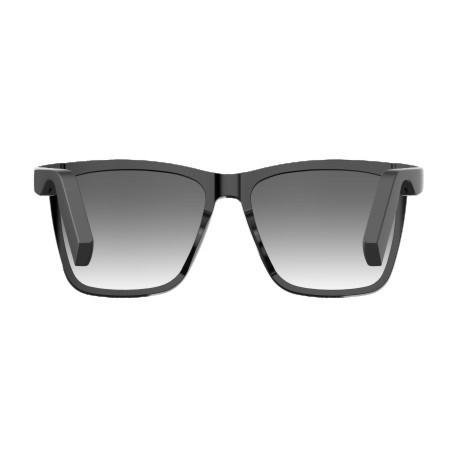
Our team combines extensive manufacturing expertise with deep understanding of Amazon marketplace dynamics, helping B2B partners develop products positioned for BSR success. We invite you to discuss your smart glasses requirements and explore how our production capabilities align with your market objectives.
Ready to connect with a manufacturing partner who understands what drives smart glasses success on Amazon? Request a consultation to review your product specifications and discover how we can support your business growth in the smart eyewear market.
