
Posted At: Jul 15, 2026 - 2,140 Views

The smart glasses industry is undergoing a fundamental transformation. As artificial intelligence capabilities become increasingly sophisticated, manufacturers are responding with devices that go far beyond simple notification displays. For businesses seeking smart glasses manufacturing partnerships, understanding these shifts is essential for staying competitive in a rapidly evolving market.
The AI Integration Revolution in Wearable Optics
2026 marks the year when AI transitions from a novelty feature to a core component of smart eyewear. Chinese manufacturers have invested heavily in developing proprietary neural processing units that can handle on-device AI workloads efficiently. This shift enables real-time language translation, contextual awareness, and predictive assistance without requiring constant cloud connectivity.
The implications for B2B procurement are substantial. Devices equipped with local AI processing reduce latency, enhance privacy, and function reliably in environments with limited connectivity. When evaluating manufacturing partners, buyers should prioritize those with demonstrated expertise in edge AI deployment within wearable form factors.
Enhanced Display Technologies Reshaping User Experience
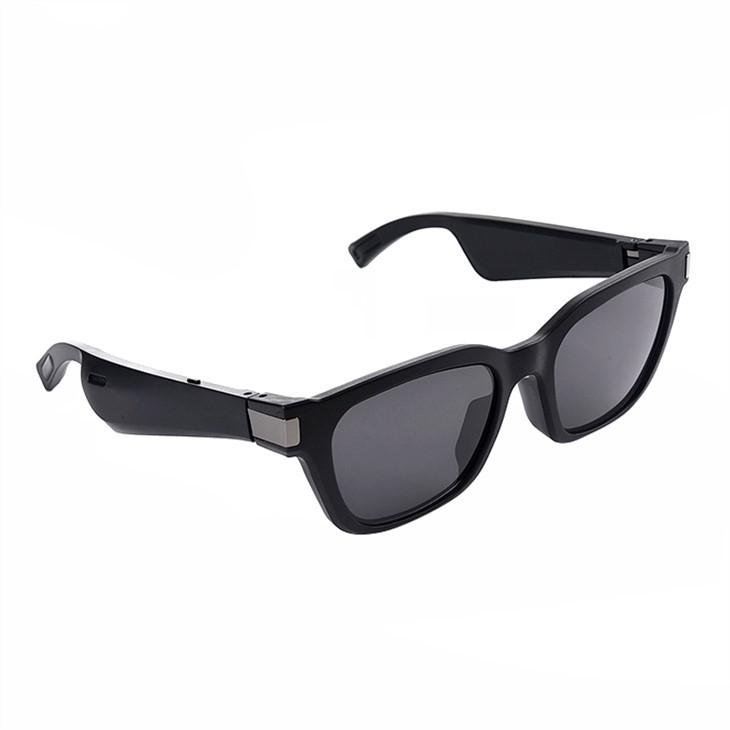
Waveguide technology has reached a maturity level that makes slim, stylish form factors possible without sacrificing display quality. Manufacturers can now produce lenses with larger exit pupils and improved brightness while maintaining aesthetics that appeal to mainstream consumers. MicroLED arrays are replacing older LCOS solutions, offering higher contrast ratios and reduced power consumption.
For brands developing products for enterprise applications, these advances open new possibilities. Field service technicians, warehouse operators, and healthcare professionals benefit from hands-free access to contextual information overlaid on their natural field of vision. The combination of AI interpretation and high-quality display creates opportunities for sophisticated AR overlays that guide users through complex tasks.
Market Segmentation and Application Growth
The smart glasses market is fragmenting into distinct segments, each with specific requirements that influence manufacturing decisions. Understanding these segments helps B2B buyers communicate their needs more effectively to potential OEM partners.
- Consumer Lifestyle: Music playback, hands-free calling, and fitness tracking remain the primary use cases. Style and comfort drive purchase decisions. These devices typically emphasize audio capabilities and all-day battery life.
- Enterprise Solutions: Document access, remote expert assistance, and workflow guidance dominate. Durability, enterprise software integration, and data security take priority over consumer features.
- Specialized Professional: Medical imaging review, precision manufacturing assistance, and inspection workflows require high-resolution displays and application-specific sensor configurations.
- Accessibility Aids: Real-time scene description, text-to-speech for visually impaired users, and hearing augmentation represent growing segments with unique regulatory considerations.
Manufacturers with experience across multiple segments offer flexibility for brands looking to expand their product lines or pivot quickly as market demands shift.
Manufacturing Capabilities Driving Market Growth
China's smart glasses manufacturing ecosystem has matured significantly. Component suppliers specializing in waveguide substrates, micro displays, and compact batteries have emerged to serve the industry. This vertical integration enables faster prototyping and more competitive pricing for brands working with established OEM partners.
When evaluating manufacturing partners, B2B buyers should assess several capability areas:
| Capability Area | What to Evaluate | Industry Standard |
|---|---|---|
| Design & Engineering | ID team experience, industrial design capabilities | In-house industrial design |
| Prototype Development | Turnaround time, iteration capacity | 2-4 weeks for functional prototypes |
| Component Sourcing | Supplier relationships, component qualification | Multiple qualified suppliers per component |
| Quality Assurance | Testing protocols, certification support | CE, FCC, and regional compliance |
| Production Scale | Assembly line capacity, component inventory | 50,000+ units monthly capacity |
Partners demonstrating strong capabilities across these areas reduce supply chain risk and accelerate time-to-market for new product introductions.
Audio Innovation in Smart Eyewear
Directional audio technology has emerged as a key differentiator. Open-ear designs that deliver sound directly to the user without blocking environmental awareness have gained mainstream acceptance. Bone conduction continues to improve, while air conduction solutions using miniature speakers positioned near the ear canal offer superior audio quality.
AI-powered audio processing enables features like adaptive volume based on environmental noise levels, wind noise reduction during outdoor activities, and intelligent microphone arrays that isolate the user's voice during calls. These capabilities require close collaboration between acoustic engineers and AI specialists during product development.
Battery Technology and Power Management
All-day battery life remains a critical requirement for mainstream adoption. Manufacturers are achieving this through a combination of approaches: higher energy density batteries, more efficient processors, and intelligent power management that minimizes consumption during idle periods.
Solid-state battery technology is beginning to appear in premium devices, offering improved safety and energy density compared to traditional lithium-ion solutions. For B2B buyers, understanding a manufacturer's battery strategy is important for products intended for enterprise deployments where users may rely on devices throughout extended work shifts.
Sensor Fusion and Contextual Awareness
Modern smart glasses incorporate multiple sensor types that work together to understand their environment and the user's context. IMU sensors track head movement and gesture inputs. Ambient light sensors enable automatic display brightness adjustment. Proximity sensors detect when glasses are being worn or removed. Some devices include ToF (time-of-flight) cameras for spatial awareness.
AI algorithms process this sensor data to create meaningful context. The system recognizes when a user is walking, driving, or engaged in conversation. It detects whether the user is indoors or outside, in a noisy environment or quiet space. This contextual understanding enables automatic feature adjustments that feel intuitive rather than requiring manual configuration.
Software Platforms and Developer Ecosystems
The distinction between hardware and software is blurring in the smart glasses industry. Manufacturers increasingly offer complete solutions including device firmware, companion mobile applications, and cloud services. For brands without extensive software development capabilities, choosing a manufacturing partner with mature software offerings reduces time-to-market significantly.
API availability enables brands to customize software experiences while leveraging core platform capabilities. Enterprise customers often require specific integrations with backend systems, MDM (mobile device management) protocols, and industry-specific applications. Evaluating software flexibility should be part of any manufacturing partner assessment.
Regulatory Compliance Across Global Markets
Different markets impose varying requirements on smart eyewear. The European Union requires CE marking demonstrating compliance with safety, health, and environmental protection requirements. North American markets require FCC certification for wireless devices along with compliance with applicable safety standards. Additional requirements apply for devices incorporating cameras or recording capabilities in certain jurisdictions.
Experienced manufacturers guide brands through these requirements, providing documentation support and recommending testing approaches. This expertise becomes particularly valuable when simultaneously launching products across multiple regions.
Strategic Considerations for B2B Procurement
For brands and distributors entering the smart glasses market or expanding existing portfolios, several strategic factors merit consideration. Product development timelines typically span 8-14 months from concept to production-ready devices. Building relationships with potential partners before product development begins often yields better outcomes than rushing into engagements with unfamiliar manufacturers.
Minimum order quantities vary by manufacturer and product complexity. Some partners accommodate smaller runs suitable for testing market response before committing to larger volumes. Others require minimum orders that reflect their production economics. Understanding these requirements early in partner selection prevents misaligned expectations later.
Component standardization versus customization trade-offs influence both cost and differentiation. Using platform components shared across multiple customers can reduce pricing but limits unique positioning. Fully custom designs require larger investments but create defensible market positions. Mature manufacturers help brands navigate these trade-offs based on their specific market strategies.
Building Successful Manufacturing Partnerships
The relationship between brand and manufacturer extends far beyond initial product development. Ongoing collaboration drives continuous improvement, enables responsive product updates, and supports market expansion. Manufacturers with experience serving international brands understand the communication patterns, quality expectations, and business practices that make these partnerships successful.
Effective partnerships include regular performance reviews, clear escalation paths for addressing issues, and joint planning for future product roadmaps. When manufacturers view brands as long-term partners rather than transactional customers, both parties benefit from shared learning and cumulative improvements.
Ready to explore manufacturing options for your smart glasses product line? Connect with our team to discuss your requirements, review our engineering capabilities, and discover how we can support your market objectives with flexible OEM and ODM arrangements tailored to your business needs.
