
Posted At: Jun 30, 2026 - 2,273 Views

The global smart glasses market continues its explosive trajectory, with AI-powered eyewear emerging as the next frontier in wearable technology. For B2B buyers, distributors, and brands seeking to capitalize on this growth, understanding the true cost structure behind AI smart glasses manufacturing in China has become essential for making informed sourcing decisions.
When you source directly from established Chinese factories, the pricing dynamics shift dramatically compared to working through intermediaries. Factory-direct relationships unlock competitive wholesale rates that can significantly improve your margins while ensuring greater control over product quality and customization options. Whether you're launching a new smart eyewear brand or expanding your existing product portfolio, the manufacturing landscape in China offers unparalleled opportunities for businesses willing to navigate its complexities.
Understanding AI Smart Glasses Technology and Features
Before diving into pricing specifics, B2B buyers must recognize that AI smart glasses encompass a broad spectrum of technologies and capabilities. Entry-level models featuring basic Bluetooth connectivity and audio functions typically command lower price points than advanced augmented reality systems equipped with spatial computing, computer vision, and natural language processing capabilities.
The core components driving AI functionality include microdisplay modules, optical waveguides, edge AI processors, microphone arrays, and sophisticated sensor packages. Each element contributes to the overall BOM (Bill of Materials) cost, which fundamentally shapes the wholesale pricing structure. Chinese manufacturers have made substantial investments in domestic supply chains, enabling them to offer competitive pricing across multiple product tiers.
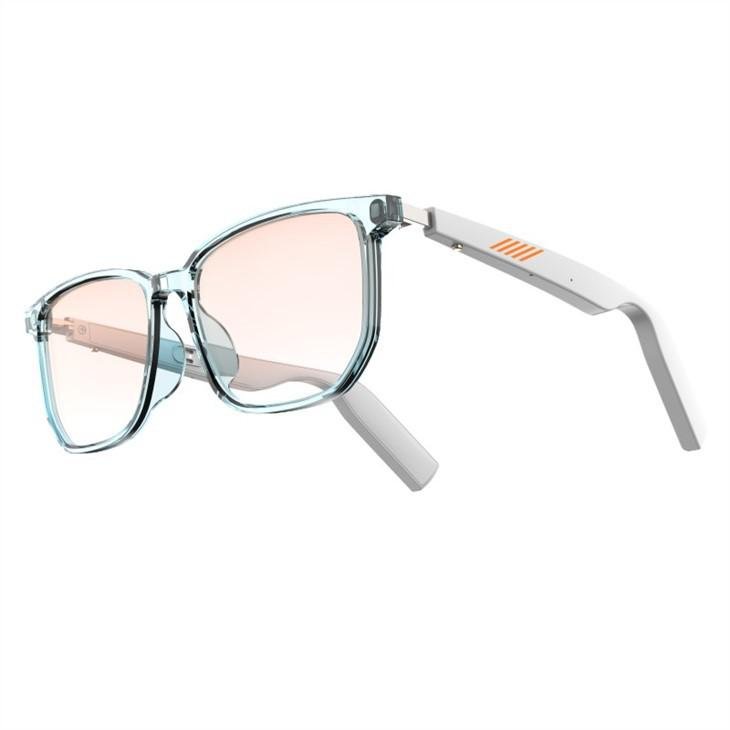
Smart Glasses Wifi Call Glasses represent an excellent entry point for businesses exploring the smart eyewear category. These devices combine everyday functionality with AI-enhanced features, making them attractive to consumers seeking practical wearable technology.
AI Smart Glasses Wholesale Price Breakdown
Factory wholesale pricing for AI smart glasses varies considerably based on several key factors. Understanding these variables empowers B2B buyers to negotiate effectively and optimize their purchasing decisions.
Entry-Level AI Smart Glasses
Basic smart sunglasses and eyeglasses with fundamental features typically range from $25 to $50 per unit at wholesale volumes exceeding 500 pieces. These models generally include Bluetooth audio playback, hands-free calling, and basic voice assistant integration. The AI capabilities in these tiers often focus on noise cancellation, voice recognition, and simple gesture controls.
Mid-Range Smart Eyewear
Mid-tier AI smart glasses, featuring enhanced AR capabilities, superior audio systems, and more sophisticated AI processing, generally fall within the $50 to $120 wholesale price range. These products often incorporate multi-microphone arrays for improved voice capture, spatial audio technology, and more powerful edge AI chips capable of running larger on-device models.
Advanced AR Smart Glasses
Premium AI-powered AR glasses with true augmented reality features, high-resolution microdisplays, advanced spatial computing, and comprehensive sensor suites command wholesale prices starting from $120 and potentially exceeding $400 per unit. These high-end products target professional applications, enterprise deployments, and early-adopter consumers willing to pay premium prices.
Key Factors Influencing Wholesale Costs
Multiple variables impact the final pricing you'll encounter when sourcing AI smart glasses from Chinese factories. Experienced B2B buyers factor these considerations into their supplier evaluations and negotiations.
Component Sourcing and Supply Chain
The origin and quality of key components significantly affect pricing. Factories with established relationships with tier-one component suppliers often secure better pricing through volume commitments. Key components include display modules (LCoS, MicroLED, waveguide optics), processors (Snapdragon, MediaTek, dedicated AI chips), batteries, camera modules, and optical elements.
Chinese manufacturers have developed robust domestic supply chains for many components, reducing dependency on expensive imports and enabling more competitive pricing. However, certain advanced components still require imported elements, which can influence final costs.
Manufacturing Complexity and Yield Rates
Product complexity directly correlates with manufacturing costs. Smart glasses require precision assembly combining electronics, optics, and mechanical components. Factories specializing in consumer electronics may achieve higher yield rates on simpler designs, translating to more stable pricing. More complex products with advanced optics or AR systems typically experience lower initial yield rates during production ramp-up phases.
Order Volume and Production Runs
Economies of scale play a crucial role in determining per-unit costs. Minimum order quantities (MOQs) at Chinese factories typically range from 100 to 500 units for smart glasses, though larger orders of 1,000+ units unlock substantial volume discounts. Many factories offer tiered pricing structures that reward consistent, high-volume partnerships.
| Order Quantity | Typical Price Adjustment | Lead Time |
|---|---|---|
| 100-500 units | Base wholesale price | 45-60 days |
| 500-1,000 units | 5-10% discount | 45-60 days |
| 1,000-5,000 units | 10-20% discount | 60-90 days |
| 5,000+ units | 20-30% discount | 90-120 days |
Customization and Branding Requirements
OEM and ODM services add varying levels of cost depending on customization scope. Basic branding implementation—custom colors, logos, and packaging—typically adds $2-5 per unit. Deep customization involving custom tooling, proprietary components, or exclusive designs requires more substantial investment but enables true product differentiation.
Advantages of Sourcing from China Factories
China maintains its position as the world's premier destination for smart glasses manufacturing, offering advantages that justify the logistics and quality management considerations involved in international sourcing.
Manufacturing Ecosystem Depth
Shenzhen and surrounding Pearl River Delta regions host comprehensive electronics manufacturing ecosystems. Component suppliers, assembly facilities, packaging companies, and logistics providers operate in close proximity, enabling efficient supply chain management and reducing lead times. This ecosystem depth translates to competitive pricing that simply cannot be matched in other manufacturing regions.
Technical Expertise and Innovation
Chinese factories have accumulated extensive experience in smart wearable production, with many facilities dedicated exclusively to eyewear and audio devices. This specialization drives continuous process improvement and enables factories to offer increasingly sophisticated manufacturing capabilities. Many facilities now employ engineers with deep expertise in AI integration, optical design, and miniaturization.
Flexible Production Capabilities
Leading Chinese manufacturers offer remarkable flexibility in production runs, accommodating both small-batch prototyping and large-scale mass production within the same facility. This flexibility proves invaluable for B2B buyers at various stages of market entry, from concept validation to full-scale commercialization.
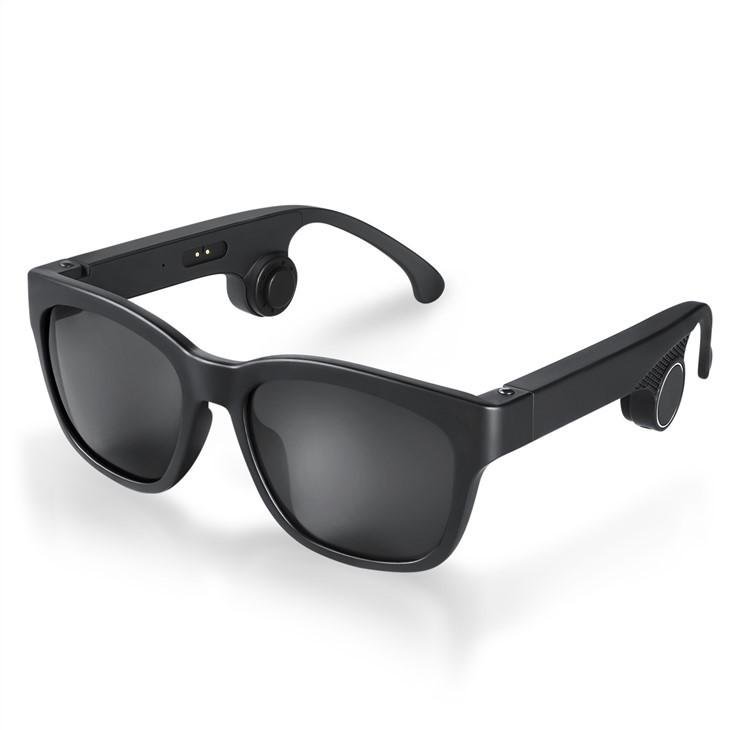
Black Technology Smart Sunglasses exemplify the sophisticated designs emerging from Chinese manufacturing facilities, combining aesthetic appeal with advanced functionality at competitive price points.
OEM vs ODM: Choosing the Right Partnership Model
B2B buyers must carefully evaluate whether OEM (Original Equipment Manufacturer) or ODM (Original Design Manufacturer) arrangements best suit their business objectives and market positioning.
OEM Manufacturing Arrangements
OEM partnerships involve factories manufacturing products based on buyer-provided specifications. This model suits established brands with existing product designs, companies holding proprietary technology, or businesses with highly specific customization requirements. OEM arrangements typically involve higher upfront investment for tooling and setup but provide maximum control over final product specifications.
ODM Manufacturing Arrangements
ODM partnerships leverage factory-developed product platforms, allowing buyers to customize branding, packaging, and minor features while avoiding substantial design investments. ODM arrangements significantly reduce time-to-market and development costs, making them attractive for companies entering the smart glasses market or testing new product concepts. Chinese factories maintain extensive ODM portfolios covering various smart eyewear categories and price points.
Quality Assurance and Compliance Considerations
Competitive pricing should never come at the expense of product quality and regulatory compliance. B2B buyers must implement robust quality management processes when sourcing AI smart glasses from Chinese factories.
Certification Requirements
Smart glasses sold in major markets require appropriate certifications. The CE mark (European Economic Area), FCC certification (United States), and CCC certification (China) represent essential requirements depending on target markets. Quality management system certifications such as ISO 9001 indicate factory commitment to consistent quality processes. Budget appropriate time and resources for certification processes, as these can significantly impact overall project timelines.
Quality Control Protocols
Experienced B2B buyers implement multi-stage quality control procedures encompassing pre-production inspection, in-process monitoring, and pre-shipment testing. Many factories offer inline inspection services and third-party testing coordination. Establishing clear quality specifications, acceptance criteria, and defect tolerance levels in manufacturing agreements protects buyers from quality-related disputes.
Strategic Sourcing Recommendations for B2B Buyers
Maximizing value when sourcing AI smart glasses requires strategic approaches that balance cost considerations with quality assurance and supply chain resilience.
Supplier Evaluation Criteria
Prioritize factories demonstrating consistent quality track records, responsive communication, and transparent pricing structures. Evaluate manufacturing capabilities through facility audits, sample evaluations, and reference checks from existing clients. Verify production capacity aligns with your projected order volumes, particularly for seasonal demand fluctuations.
Building Long-Term Partnerships
Factories that perceive buyers as long-term partners consistently provide superior service, more favorable pricing, and priority allocation during supply constraints. Demonstrate commitment through consistent order patterns, timely payments, and collaborative problem-solving approaches. Long-term partnerships unlock access to factory innovation roadmaps, early access to new technologies, and increasingly competitive pricing structures.
Total Cost of Ownership Perspective
Focus on total cost of ownership rather than unit price alone. Consider logistics costs, import duties, quality-related risks, communication overhead, and potential rework expenses. The lowest quoted price frequently proves more expensive when factoring in hidden costs or quality compromises. Comprehensive cost modeling enables more accurate profitability analysis and informed pricing decisions.
Market Trends Shaping AI Smart Glasses Pricing
Several emerging trends continue reshaping the AI smart glasses market and influencing manufacturing economics. Understanding these dynamics helps B2B buyers anticipate pricing movements and capitalize on emerging opportunities.
Advancements in AI chip efficiency are progressively reducing the cost of on-device intelligence, enabling more sophisticated features in mid-range products. Display technology innovations, particularly in microLED and waveguide manufacturing, promise to make AR experiences more accessible while potentially reducing component costs. The maturation of 5G infrastructure globally enhances the viability of cloud-edge hybrid AI architectures, opening new product categories and use cases.
Consumer awareness and acceptance of smart eyewear continue growing, driven by high-profile product launches and increasing media coverage. This expanding market attracts additional manufacturing investment, intensifying competition among Chinese factories and creating favorable conditions for B2B buyers seeking competitive pricing.
Getting Started with Your AI Smart Glasses Procurement
Embarking on your smart glasses sourcing journey requires methodical planning and clear objective definition. Begin by establishing precise product specifications aligned with your target market and price positioning. Develop realistic budget projections incorporating unit costs, logistics expenses, and quality management investments.
Initiate contact with multiple qualified factories to compare capabilities, pricing structures, and service offerings. Request detailed quotations encompassing all cost components to enable accurate comparison. Evaluate sample products rigorously before committing to production orders, allocating adequate time for comprehensive testing and feedback incorporation.
Smart Wireless Audio Sunglasses showcase the quality standards achievable through professional manufacturing partnerships, demonstrating how thoughtful design and execution create products appealing to discerning consumers.
The Chinese smart glasses manufacturing sector offers compelling value propositions for B2B buyers willing to invest in proper supplier relationships and quality management practices. Competitive wholesale pricing, technical expertise, and manufacturing flexibility combine to create advantageous sourcing conditions. Success requires balancing price considerations with quality assurance, selecting partners aligned with your business objectives, and maintaining long-term relationship perspectives.
Ready to explore AI smart glasses wholesale pricing for your business? Our team connects B2B buyers with established Chinese manufacturers capable of meeting your specifications, volume requirements, and quality expectations. Request a consultation to discuss your smart eyewear sourcing needs and discover how factory-direct partnerships can accelerate your market success.
